Kruger Wildlife Guide

Mammals of Kruger National Park

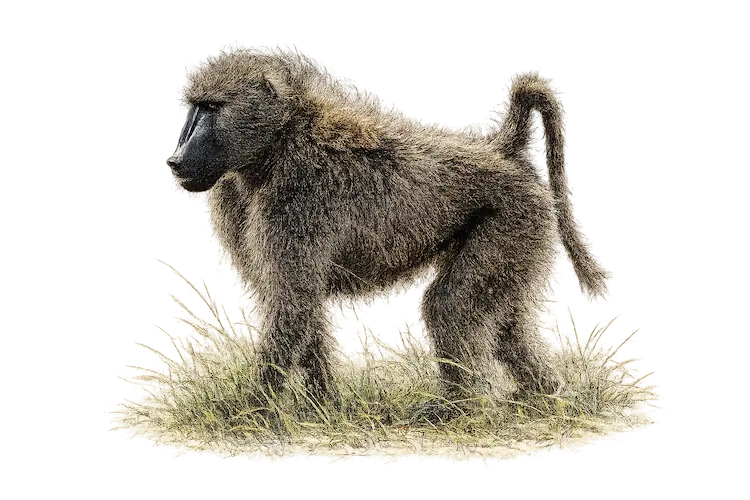
Kruger National Park is one of Africa’s great mammal strongholds, home to everything from elephants, lions and leopards to smaller, quieter species often missed on a first safari. This guide brings together the main mammals found in Kruger, with simple species notes, identification tips and links to more detailed guides for each animal.

Whether you are planning your first Kruger National Park safari or building a deeper understanding of the park’s wildlife, this mammal hub is designed as a calm starting point for exploring the animals you may encounter on the road.

A Wildlife Stronghold in Southern Africa

The mammals of Kruger National Park are one of the main reasons the park remains such a special safari destination. Its large size, open savannas, river systems, woodlands and seasonal pans create space for both large, visible animals and more secretive species that require patience and quiet observation.

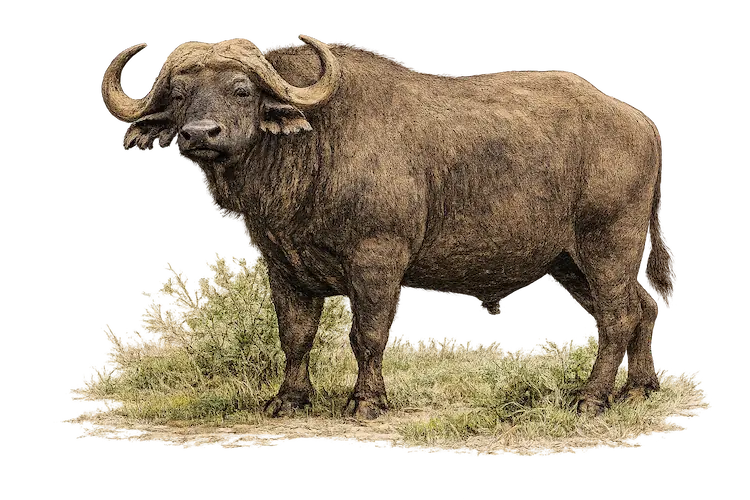
Many visitors come hoping to see the Big Five animals of Kruger National Park, including lion, leopard, elephant, buffalo and rhinoceros. These species are an important part of the Kruger experience, but they are only one part of a much wider mammal community.

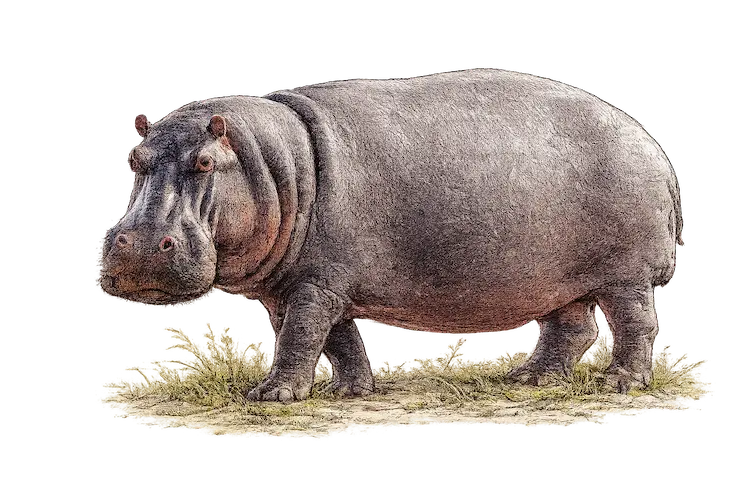
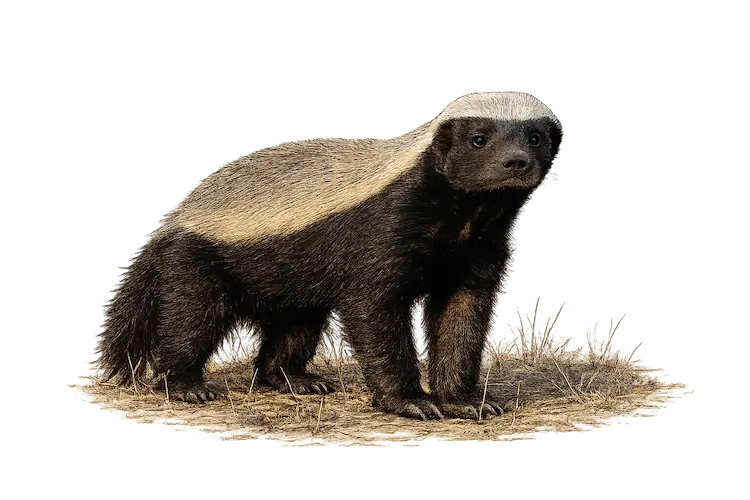
Giraffes browse along woodland edges, hippos rest in rivers and dams, spotted hyenas move between territories at dawn, and smaller carnivores such as honey badgers and caracals remind us that some of Kruger’s most interesting sightings are not always the most predictable.

Safari Highlights

Best Mammals to See in Kruger National Park

Some mammals are seen regularly in Kruger, while others require time, patience and a little luck. The best sightings often come from understanding where animals prefer to move, feed and rest during different parts of the day.

Big Cats

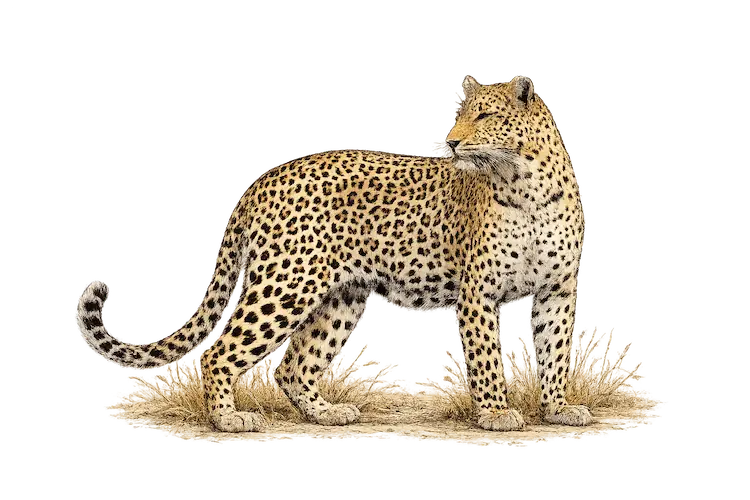
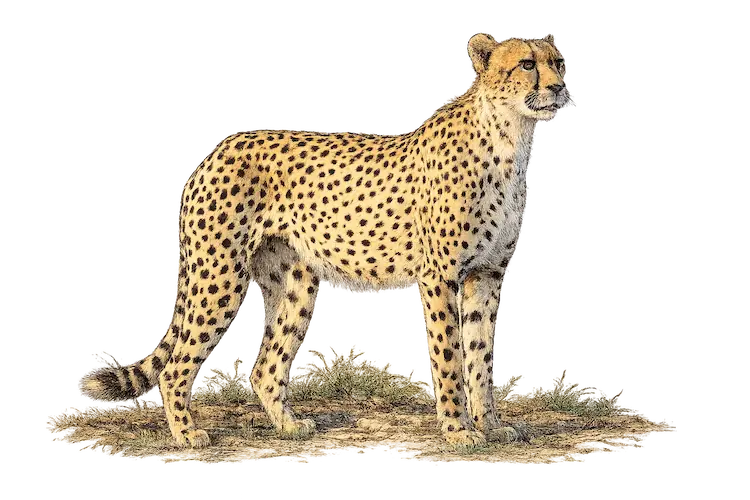
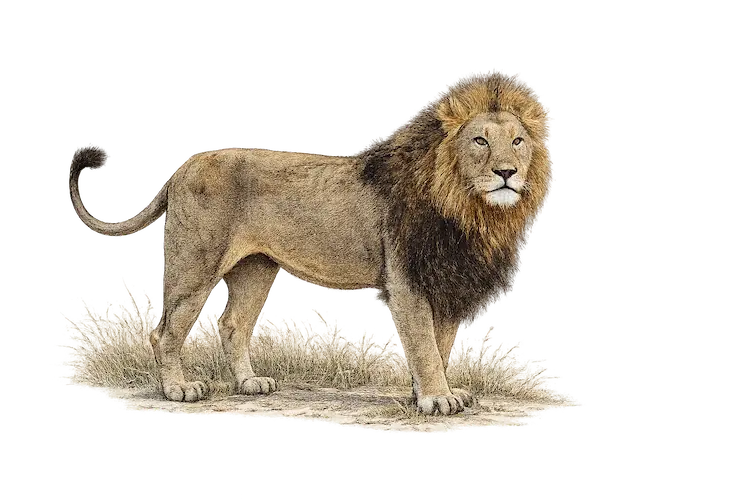
Lion, leopard and cheetah are among the most sought-after mammals in Kruger National Park. Lions are often found near open plains and areas with good prey numbers, while leopards are more secretive and are often associated with drainage lines, riverine woodland and rocky outcrops.

Lion, African Leopard and Cheetah

Large Herbivores

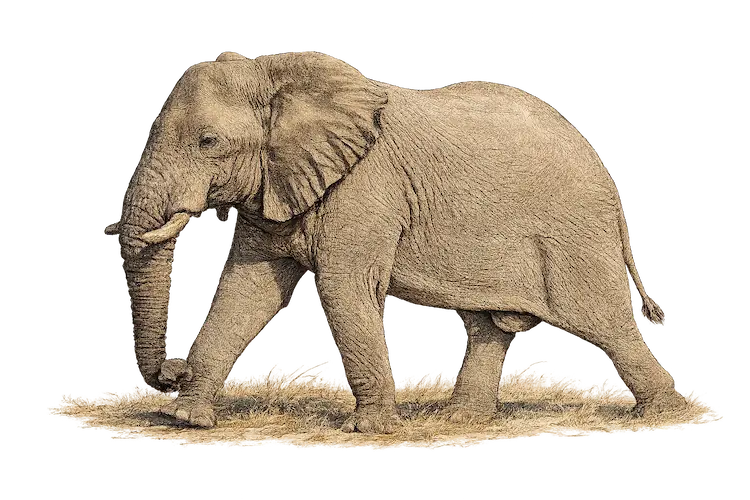
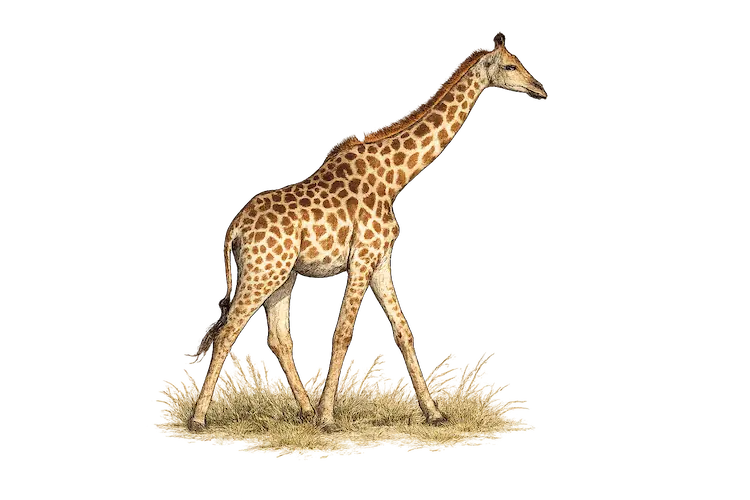
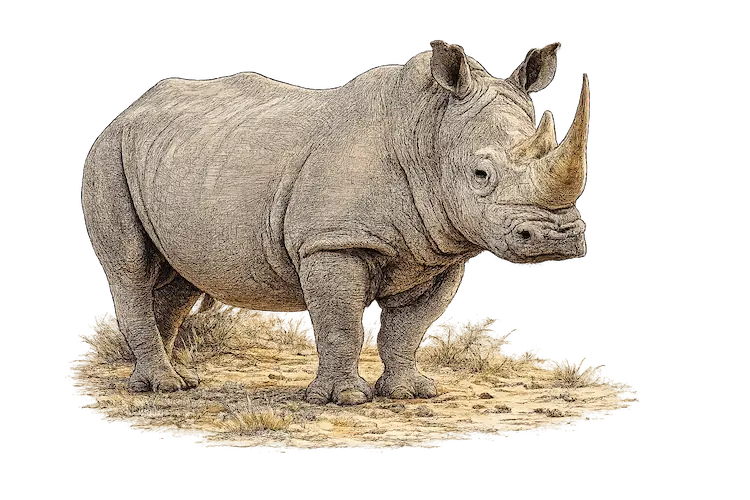
Elephants, buffalo, giraffes, hippos and rhinoceroses form much of Kruger’s large mammal presence. These animals shape the landscape through feeding, movement and seasonal use of water, and they are often among the most memorable sightings for first-time visitors.

African Bush Elephant, African Buffalo and Southern Giraffe

Nocturnal and Secretive Mammals

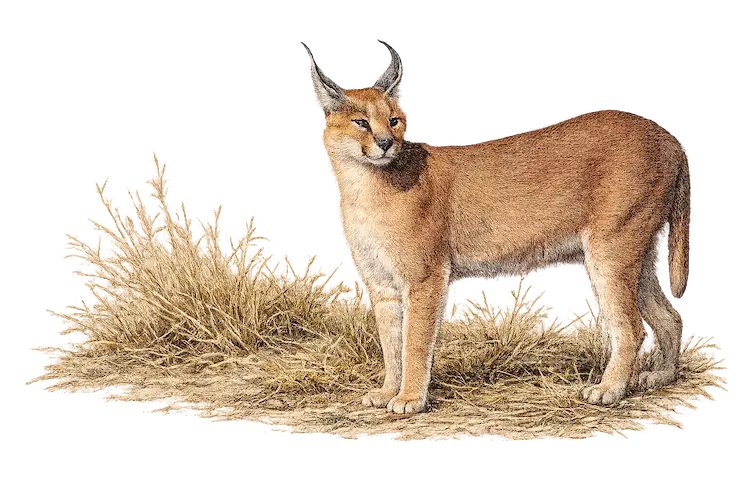
Some of Kruger’s most rewarding mammals are not seen on every drive. Honey badgers, caracals and other smaller carnivores are usually more active during the cooler hours, and many sightings happen briefly before the animal disappears back into cover.

Honey Badger and Caracal

Scavengers and Social Predators

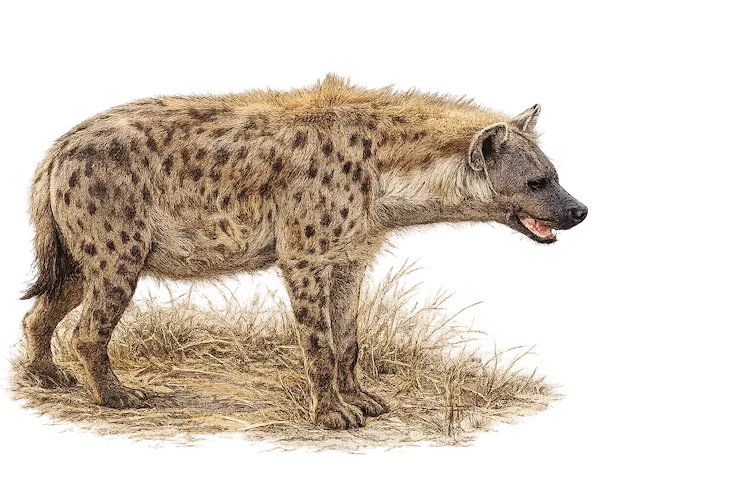
Spotted hyenas are among Kruger’s most important carnivores. They are strong hunters as well as scavengers, and their calls are one of the classic night sounds of the African bush. They are often seen near roads in the early morning or close to den sites.

Spotted Hyena

Safari Planning

Where to See Mammals in Kruger National Park

Mammals can be seen throughout Kruger, but different habitats tend to favour different species. A good safari is often about moving slowly, reading the landscape and allowing enough time for sightings to unfold naturally.

Southern Kruger

Southern Kruger is well known for productive game viewing, with good chances of seeing elephant, buffalo, white rhinoceros, lion and leopard. The mix of woodland, rivers and open areas makes this region especially rewarding for visitors with limited time.

Central Kruger

Central Kruger is often associated with open grasslands and strong predator country. Large herbivores attract lions and hyenas, while cheetah may be seen in more open areas where visibility is better.

River Systems and Dams

Rivers and dams are important places to look for mammals, especially during the warmer parts of the day. Hippos, elephants, buffalo and many antelope species use water regularly, while predators may move through these areas in the early morning or late afternoon.

Quiet Roads and Early Mornings

Some of the best mammal sightings happen before the day becomes busy. Early morning drives can be especially good for cats, hyenas and smaller carnivores, while quieter roads often produce more natural behaviour.

Drive Slowly

Many mammals are missed because vehicles move too quickly. Slow driving gives you time to notice ears, movement, tails, tracks and shapes partly hidden in the grass.

Watch the Shade

During warm weather, mammals often rest in shade. Leopards, lions, hyenas and antelope may be partly hidden beneath trees or along drainage lines.

Read Animal Behaviour

Alarm calls, nervous antelope, circling vultures and fresh tracks can all suggest nearby predator activity. A quiet, patient approach often reveals more than rushing from one sighting to the next.

Guided Kruger Safaris

See Kruger’s Mammals with a Private Guide

A guided safari gives you time to slow down, understand animal behaviour and enjoy Kruger’s mammals in a more natural, unrushed way. From Big Five sightings to quieter moments with giraffes, hyenas and smaller carnivores, each drive is shaped around the rhythm of the bush.

FAQ

Kruger National Park Mammals FAQ

What mammals can you see in Kruger National Park?

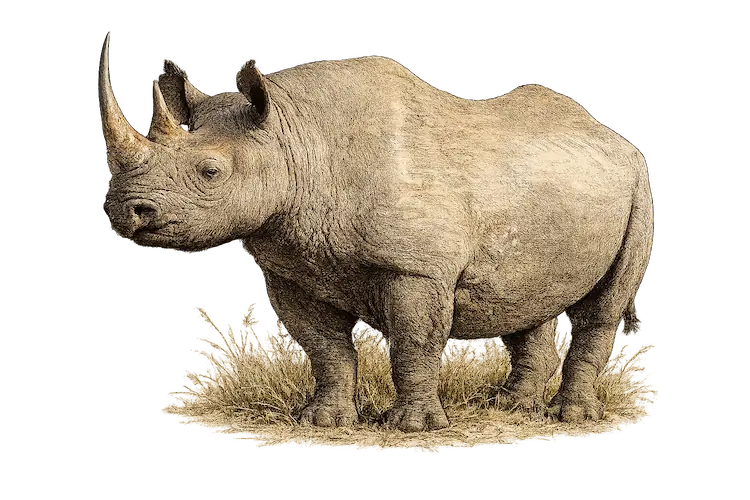
Kruger National Park is home to many mammals, including lion, leopard, elephant, buffalo, white rhinoceros, black rhinoceros, giraffe, hippopotamus, cheetah, spotted hyena, honey badger and many smaller species.

What are the Big Five mammals in Kruger?

The Big Five mammals in Kruger are lion, leopard, African bush elephant, African buffalo and rhinoceros. Both white and black rhinoceros occur in the park, although rhino sightings are treated with care because of conservation concerns.

Where is the best area to see mammals in Kruger?

Southern and central Kruger are often very productive for mammal viewing, especially for elephants, buffalo, lions, leopards, hyenas and many antelope species. Rivers, dams and open plains are also useful areas to watch.

When is the best time of day to see mammals in Kruger?

Early morning and late afternoon are usually the best times to see active mammals. During the heat of the day, many animals rest in shade or move less visibly.

Are smaller mammals worth looking for in Kruger?

Yes. Smaller mammals such as honey badgers, mongooses, genets, civets and caracals can be very rewarding sightings. They are often less predictable than larger animals, which makes them especially exciting to encounter.