



Best Time to Visit Kruger National Park
The best time to visit Kruger National Park? Well, it depends on what you are hoping to experience. The park is a year-round destination with incredible geographical variation. Stretching roughly 360 km from north to south, it covers a wide range of habitats, from low, flat plains to riverine areas dotted with watercourses. Kruger also experiences distinct dry and wet seasons, and each one offers its own unique appeal.
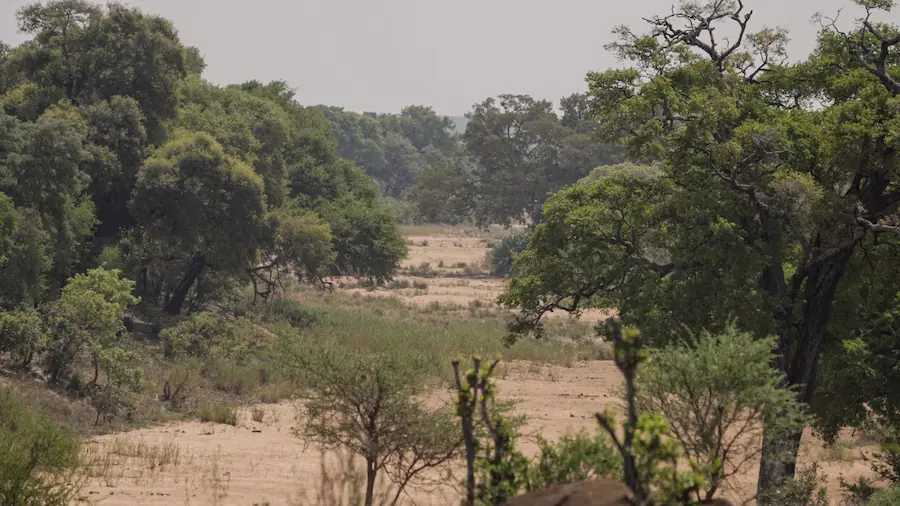
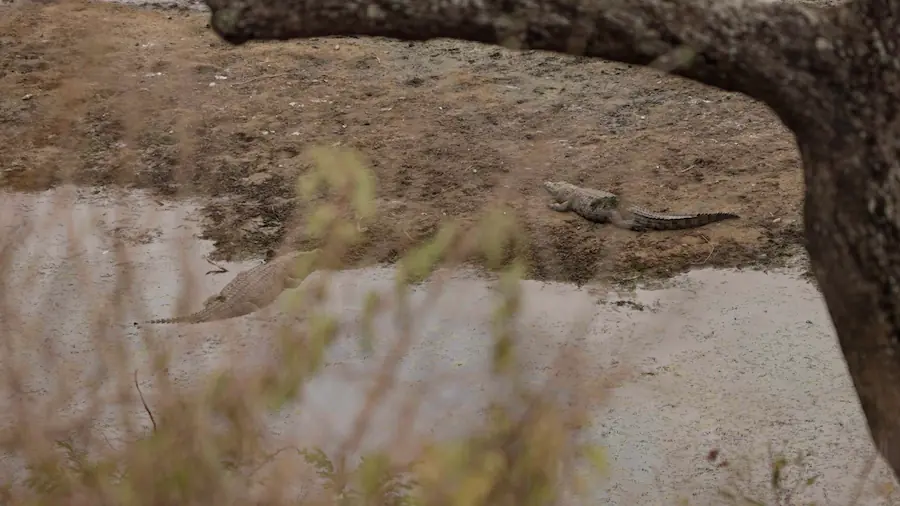
Figuring out YOUR Best Time to Visit Kruger National Park
I have visited many times, and I have guided safaris there for over a decade. I’ve experienced the park in every season, and one thing I’ve learned is that there is no single “best” time to visit. Instead, the best time to visit Kruger National Park is the time that aligns with your interests, your schedule, and your budget.
That said, there can be a worst time to visit Kruger National Park if your main goal is seeing big game. This is typically during the wet season, especially from mid-January to March. Heavy rains can fall during this period, and the bush becomes thick and green. As vegetation grows dense, animals, and even birds, become much harder to spot.
By around end of April and start of May, the vegetation begins to dry out and animals gradually move towards permanent water sources, making them easier to find. This marks the start of the dry season, which is generally considered the best time to visit Kruger National Park for wildlife viewing, particularly for first-time safari-goers. The dry season typically runs from May through to the end of October.
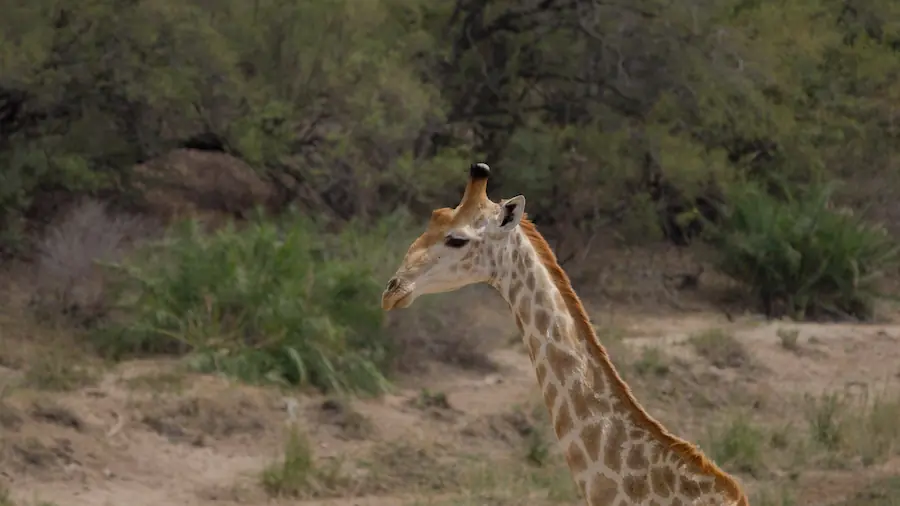
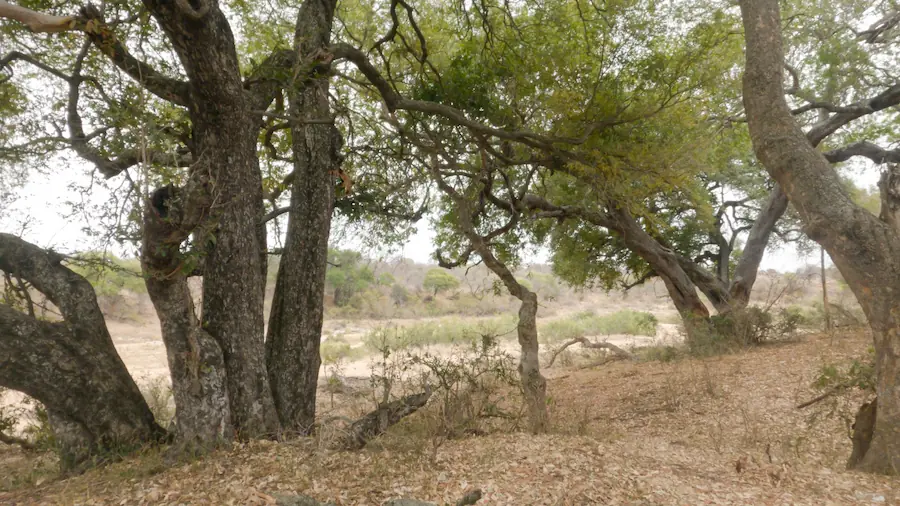
Best time to visit Kruger National Park for game viewing
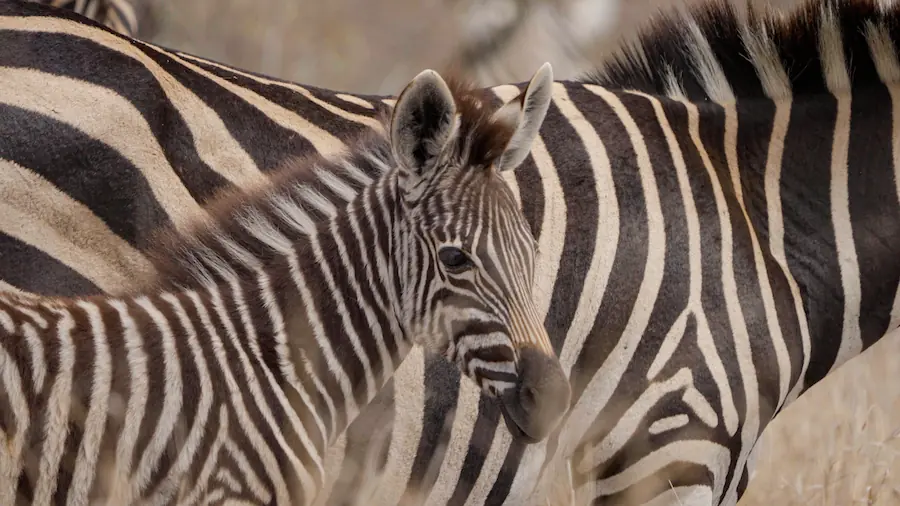
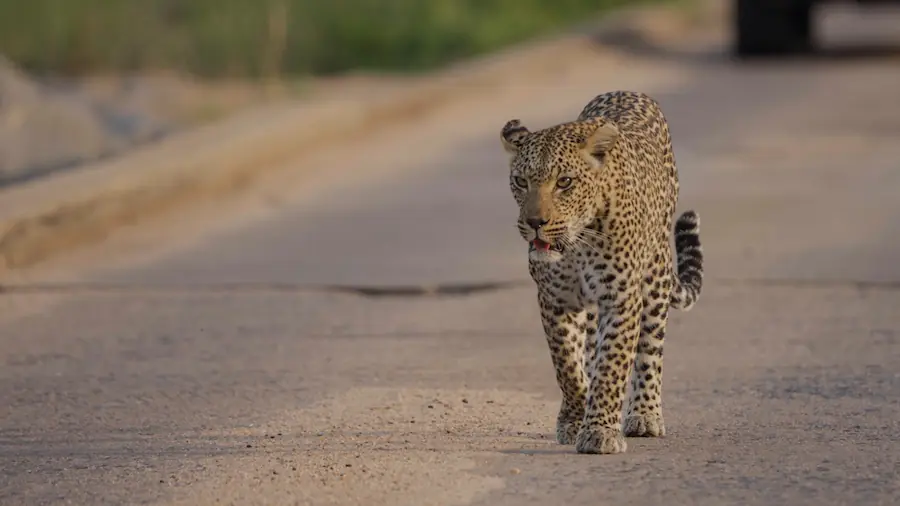
The main reason most people visit Kruger National Park is to see big game, especially the famous Big Five. The best time to visit Kruger National Park for wildlife viewing is during the peak dry season. That said, I have seen all of the Big Five even in the wet season, so excellent sightings are still possible year-round.
From June to September, vegetation is at its lowest and water becomes scarce. Animals naturally gather around rivers and waterholes, making them easier to locate. Predators follow their prey, so this often increases the chances of seeing lions, leopards, and other carnivores.
The weather during the dry season varies slightly, as this is considered winter in South Africa. Mornings and evenings can be chilly, but the days are usually sunny and pleasantly warm, ideal conditions for game drives.
Because this is widely considered the best time to visit Kruger National Park, the park, especially the southern regions, can become busy, and accommodation prices are typically at their highest. Choosing a private safari, however, allows for a more flexible and exclusive experience, without the limitations of crowded vehicles.
Best time to visit Kruger National Park for bird watching
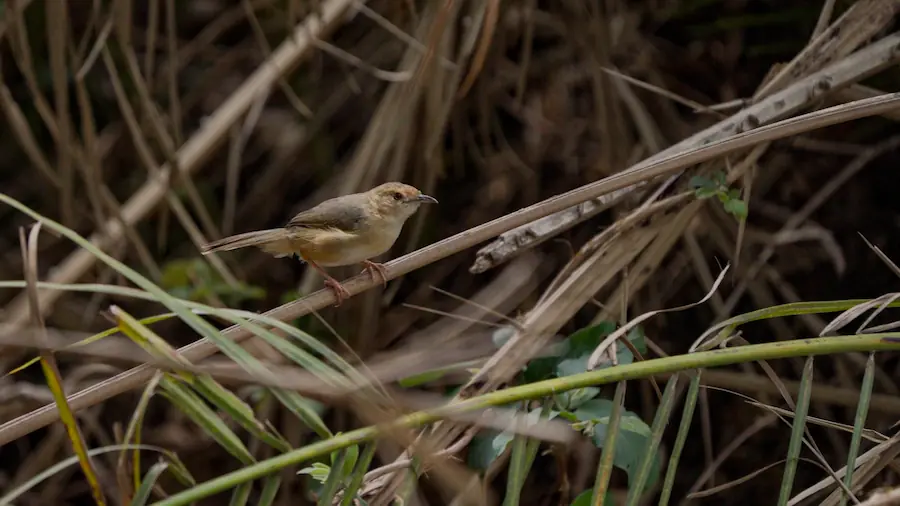
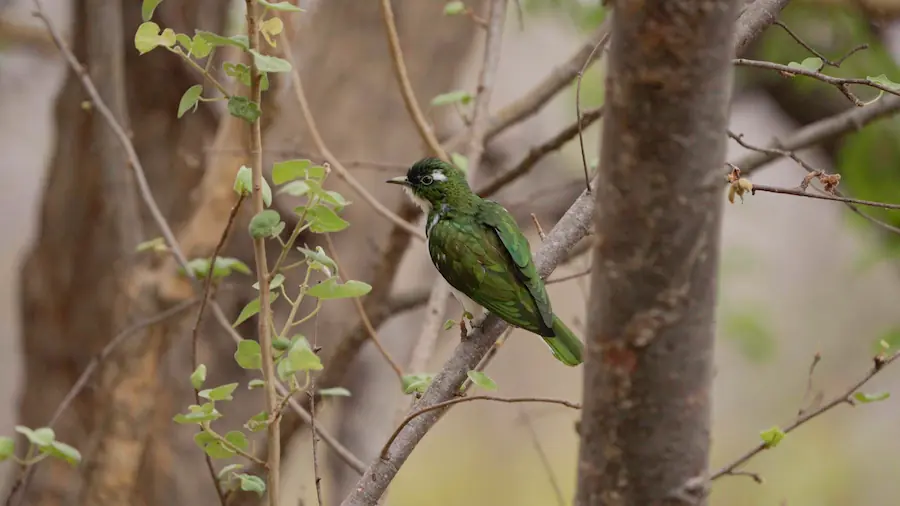
Here's the part where I talk about birding, I am a birder after all. The best time to visit Kruger National Park for birdwatching is during the wet season. By the end of November, migrant birds arrive in their thousands, many species begin to show their breeding plumage, and vocal activity increases dramatically. Birds enter their instinctive breeding mode, and the park becomes incredibly lively.
The rains also trigger a widespread explosion of life. Insects emerge, vegetation flourishes, and this abundance of food creates ideal conditions for birding. During this time, the park feels alive, not just with birds, but with activity across the entire ecosystem.
Kruger National Park hosts over 500 recorded bird species. Birding does vary slightly between regions, with the northern areas often producing some of the most sought-after species. One notable location is Punda Maria Rest Camp, the northernmost rest camp, which is well known for its excellent birding opportunities.
The main birding season runs from November to March, with peak months typically being November through February. However, when heavy rains arrive in the early part of the year, conditions can become quite wet, and the overall safari experience may be more challenging. That said, the birding is often exceptional. Personally, I find the ideal birding window to be November, December, and January.
Understanding Kruger’s Seasons
- Dry Winter (May to September) – Fewer leaves, less water, and better visibility. Animals gather around waterholes, making them easier to find. It's also the safest season for those concerned about malaria.
- Wet Summer (October to April) – The park transforms into a lush green paradise. Migrant birds arrive, babies are born, and dramatic thunderstorms offer incredible photo opportunities—but the thick bush can make some animals harder to spot.
So, When Is the Best Time to Visit Kruger National Park?
It depends on what you’re looking for. Below is a breakdown by season:
Dry Season (May to September)
- Highlights: Cool mornings, low vegetation, animals clustered near water
- Best for: First-time safari-goers, Big 5 sightings, clear photography conditions
- Watch for: Busy periods during school holidays (June–July)
Wet Season (November to March)
- Highlights: Baby animals, lush greenery, migratory birds
- Best for: Birders, nature photographers, return guests
- Watch for: Heat, thick vegetation, afternoon storms
Shoulder Months (April & October)
- Highlights: Fewer crowds, mild temperatures, good sightings
- Best for: Couples, seasoned safari travelers, budget explorers
- Watch for: Slight rain and transitional weather patterns
Month-by-Month Guide to Kruger
| Month | What to Expect | Best For |
|---|---|---|
| January | Peak rainy season. Lush landscapes, newborn animals, excellent birding. | Birders, photographers |
| February | Hot, green, and humid. Migrant birds abundant. | Birding safaris, nature lovers |
| March | Late summer. Still green but rains start easing. | Quieter safaris, scenery |
| April | Transition month. Cooler temperatures, vegetation thinning. | Value travel, mild weather |
| May | Dry season begins. Clear skies and improving sightings. | Big 5 viewing, first-time safaris |
| June | Prime game viewing. Cool mornings, dry bush. | Classic safaris |
| July | Dry and busy. Excellent visibility. | Wildlife photography |
| August | Very dry. Animals concentrated near water. | Predator sightings |
| September | Hot and dry. Peak wildlife viewing. | Big cats, photographers |
| October | Very hot. Late dry season, first storms possible. | Predator activity, quieter travel |
| November | First rains. Migrant birds arrive, greenery returns. | Birders, scenery |
| December | Hot, lush, and busy holiday period. | Families, birding safaris |
What I Recommend as Your Guide
- First-Time Visitors: June–September – consistent Big 5 sightings
- Photographers: September & October – golden light, dry skies
- Birdwatchers: December–February – migratory species galore
- Budget Travel: April & October – fewer crowds, lower prices