The Big 5 in Kruger National Park
Lion • Leopard • Elephant • Rhinoceros • Buffalo
Few experiences capture the essence of an African safari quite like encountering the Big 5 in Kruger National Park. Once known as the most challenging animals to track on foot, these five iconic species have come to represent the wild heart of Africa. From the quiet presence of an elephant herd at sunrise to the distant call of a lion at dusk, each sighting carries a sense of anticipation and wonder.
Kruger remains one of the most reliable places in Africa to see all five species in their natural habitat. Some, like elephant and buffalo, are encountered often, while others, such as leopard and black rhino, reveal themselves more quietly to those who take the time to look. It is this balance — between expectation and unpredictability — that makes the Big 5 experience so rewarding.
This guide explores each of the Big 5 in detail, with insight into where to find them, how they behave, and how to approach your safari with patience and awareness. Along the way, you’ll discover how these animals shape the landscape and why they remain central to the story of Kruger’s wildlife.
The Big 5 of Kruger National Park
Each of the Big 5 carries its own presence in the landscape. From open grasslands to riverine forests, these animals move through Kruger in ways that reward patience and careful observation.
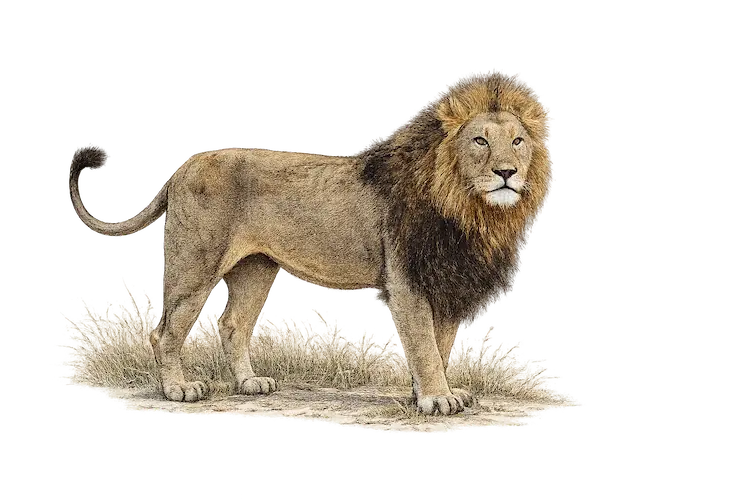
Lion
Often found in open plains and along main roads in the south and central regions.
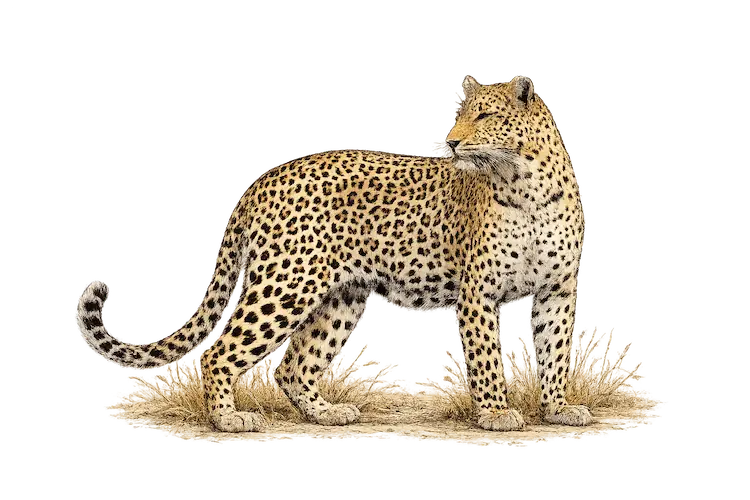
Leopard
A quiet and elusive cat, most often seen near rivers and shaded trees.
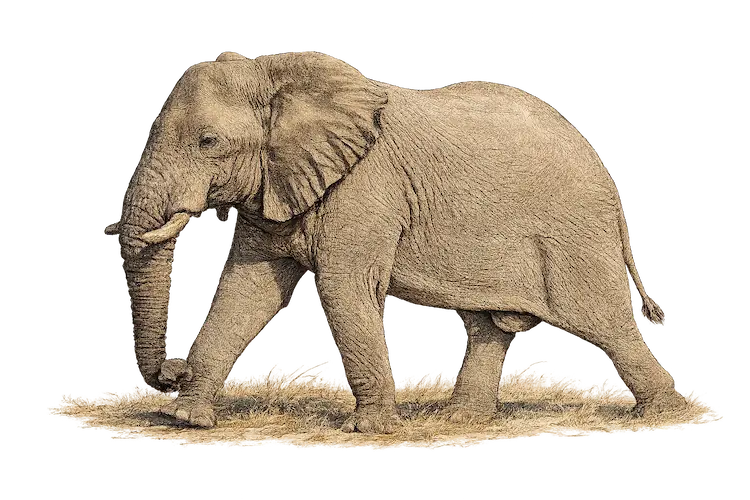
Elephant
Widely distributed and commonly seen, especially near water.
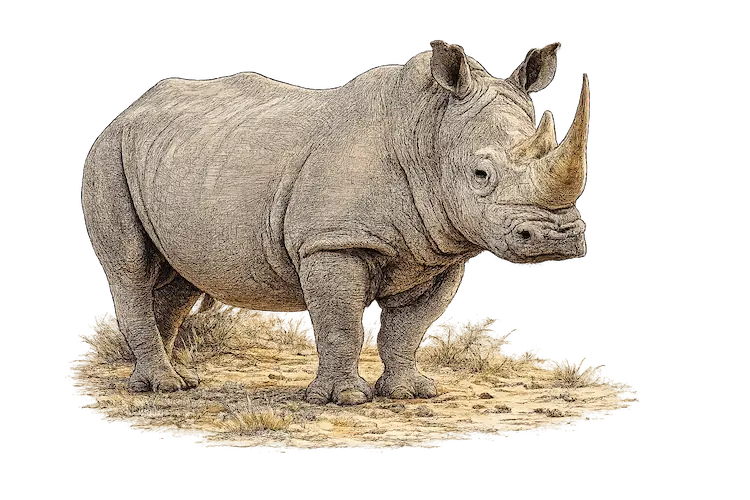
Rhinoceros
A rare and special sighting, found in both open and dense habitats.
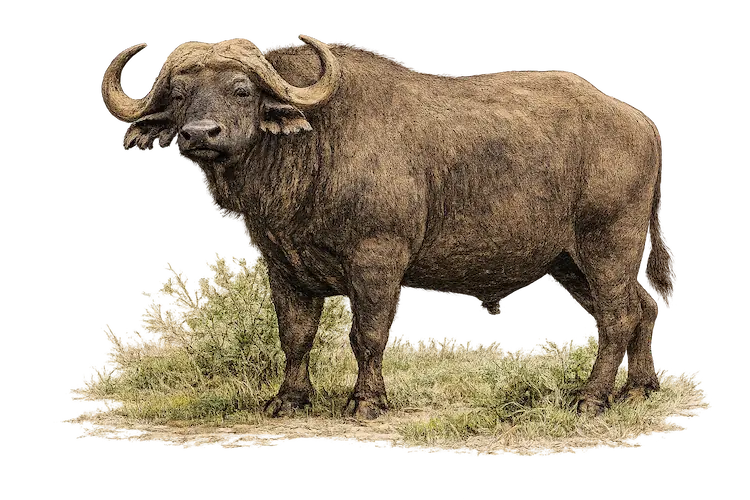
African Buffalo
Often seen in large herds near rivers and open grasslands.
What Does the Big 5 Mean?
The term Big 5 was first used by hunters to describe five African animals that were considered especially difficult and dangerous to approach on foot: lion, leopard, elephant, rhinoceros and African buffalo. Today, the meaning has changed. For most visitors, the Big 5 now represent the classic safari animals people hope to see while exploring wild places like Kruger National Park.
In Kruger, these animals are not simply a checklist. Each one belongs to the landscape in a different way. Lions may rest in the shade beside an open plain, elephants may feed quietly along a riverbed, and a leopard may pass unseen through a thicket only a few metres from the road.
Seeing all five on one safari is always exciting, but the real value is in slowing down enough to understand their behaviour, their habitat, and their place within Kruger’s wider wildlife system.
Where to See the Big 5 in Kruger National Park
The Big 5 can be found throughout Kruger National Park, but certain areas offer more consistent sightings depending on habitat, water availability, and animal movement.
Rather than searching for a single location, it helps to understand how each region of the park supports different species. With time and patience, these patterns begin to reveal themselves.
Southern Kruger
The southern region is often the most reliable for seeing all members of the Big 5. Higher rainfall and a dense network of rivers attract large numbers of herbivores, which in turn support predators like lion and leopard. Areas around Skukuza, Lower Sabie and Crocodile Bridge are particularly productive.
Central Kruger
Moving north, the landscape opens into grassland and savanna. This region is well known for lion and buffalo, especially around Satara. Sightings here can feel more open and expansive, with long views across the plains.
Northern Kruger
The northern parts of Kruger are quieter and less visited. While Big 5 sightings can be less frequent, the experience is often more remote and rewarding. Elephant and buffalo are common, while leopard and lion sightings require more patience and time in the field.
Best Time to See the Big 5
The Big 5 can be seen in Kruger National Park throughout the year, but the experience changes with the seasons. Understanding these seasonal shifts can make a noticeable difference in how often animals are seen and how they behave.
Dry Season (May to October)
The dry winter months are often considered the best time to see the Big 5. As water becomes scarce, animals gather around rivers, waterholes, and remaining sources of moisture. Vegetation thins out, making it easier to spot wildlife, especially predators resting in the open during cooler mornings and late afternoons.
This is a particularly strong time for sightings of elephant, buffalo, and lion, while leopard can be easier to follow along river systems where prey is concentrated.
Wet Season (November to April)
With the arrival of summer rains, the landscape transforms. Grass grows tall, water becomes widely available, and animals begin to spread out across the park. While sightings can be less predictable, this season offers a more vibrant and active environment, with young animals, birdlife, and dramatic skies.
Predator sightings can still be rewarding, but they often require more patience and time spent in the field, particularly in areas with good cover and prey movement.
Both seasons have their strengths. The dry months favour visibility and consistency, while the wet season offers a richer, more dynamic view of Kruger’s wildlife and landscape.
How to Increase Your Chances of Seeing the Big 5
While the Big 5 can be found across Kruger National Park, sightings are never guaranteed. What often makes the difference is not luck alone, but time in the field and an understanding of how the animals move through the landscape.
Spend Time in the Right Areas
Returning to productive areas over several days often leads to better sightings than constantly moving long distances. Rivers, waterholes, and well-used game roads tend to draw consistent animal activity, especially during the dry season.
Drive Early and Late
The first light of morning and the last hours before sunset are when much of Kruger begins to move. Predators become active, herds shift between feeding areas, and the cooler temperatures make animals easier to find out in the open.
Learn to Read the Signs
Tracks in the road, alarm calls from birds, or a sudden stillness in the bush can all point toward nearby wildlife. Over time, these small details begin to build a clearer picture of what may be just out of sight.
Allow Time for Your Safari
Seeing all five animals often takes more than a single drive. Spending several days in the park allows patterns to emerge and increases the chances of encountering more elusive species such as leopard or rhinoceros.
Go With an Experienced Guide
A trained guide brings local knowledge, tracking ability, and an understanding of animal behaviour that can greatly improve your chances. Subtle signs that may go unnoticed at first often become the key to memorable sightings.
Plan Your Big 5 Safari in Kruger
Seeing the Big 5 is one of the most memorable parts of visiting Kruger National Park. With time in the field, the right areas, and a steady approach, each sighting begins to feel less like a checklist and more like a natural part of the landscape.
If you would like to experience Kruger with the guidance of someone who understands these patterns, you can explore our all-inclusive safaris or choose a more flexible approach with our private Kruger safaris.
Big 5 in Kruger National Park FAQs
Can you see the Big 5 in Kruger National Park?
Yes, Kruger National Park is one of the best places in Africa to see the Big 5. Lion, leopard, elephant, rhinoceros and African buffalo all occur in the park, although sightings are never guaranteed.
What are the Big 5 animals in Kruger?
The Big 5 animals in Kruger are lion, leopard, African elephant, rhinoceros and African buffalo. Both white rhinoceros and black rhinoceros occur in the park.
Where is the best place to see the Big 5 in Kruger?
Southern Kruger is often the most reliable region for Big 5 sightings, especially around Skukuza, Lower Sabie and Crocodile Bridge. Central Kruger is also strong for lion, buffalo and elephant.
What is the best time to see the Big 5?
The dry season from May to October is usually the best time to see the Big 5. Vegetation is thinner, water is more limited, and animals are often easier to find near rivers and waterholes.
Can you see all Big 5 animals in one day?
It is possible to see all Big 5 animals in one day in Kruger, but it should never be expected. A longer safari gives you a better chance, especially for elusive animals such as leopard and rhinoceros.
Which Big 5 animal is hardest to see in Kruger?
Leopard and black rhinoceros are usually the most difficult Big 5 animals to find. Leopards are secretive and often rest in cover, while black rhinoceros are scarce and prefer thicker bush.