Flowers in Kruger National Park
While Kruger National Park is best known for its wildlife, the park is also home to a surprising variety of flowering plants that add colour and character to the landscape throughout the year. From vibrant orchids to hardy succulents, these species are an important part of the ecosystem and often go unnoticed by visitors focused only on animals.
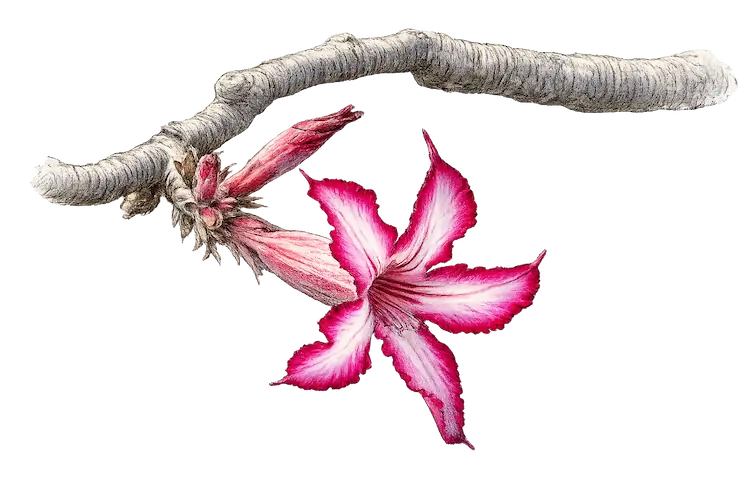
Flowering in Kruger is highly seasonal. Many species bloom during the summer rainy months, while others, like the Impala Lily, flower during the dry winter season when the bushveld is at its most sparse. This contrast makes certain flowers even more striking and rewarding to find.
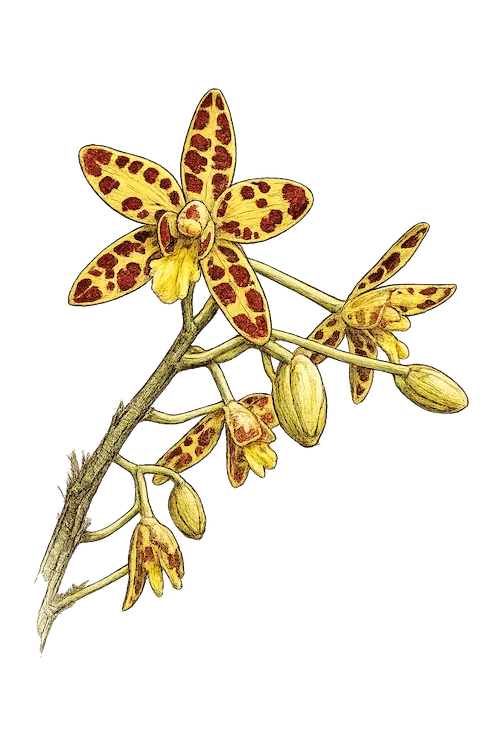
Some of the most sought-after species include the Leopard Orchid, known for its tall spikes and spotted flowers, and various smaller, less obvious plants that reveal themselves to those who take the time to observe carefully.
On a slower-paced private safari, these details become part of the experience. Exploring Kruger’s plant life adds depth to your understanding of the environment and offers a different perspective on one of Africa’s most famous wildlife destinations.
Best Time to See Flowers in Kruger National Park
The best time to see flowers in Kruger National Park depends on the type of plants you are hoping to find. Flowering is closely linked to rainfall and seasonal changes, meaning different species appear at different times of the year.
During the summer months (November to March), the park comes alive after the rains. This is when many grasses, wildflowers, and smaller flowering plants begin to bloom, creating lush and colourful landscapes. If you are visiting during this time, expect a wide variety of plant life alongside excellent bird activity.
In contrast, the dry winter months (May to September) offer a completely different experience. While much of the vegetation becomes sparse, certain species such as the Impala Lily flower during this time, standing out dramatically against the dry bushveld. These seasonal blooms are often easier to spot due to the lack of surrounding foliage.
If you are planning your visit around seasonal highlights, it’s worth exploring our detailed Kruger National Park weather guide, which breaks down what to expect month by month. This can help you align your safari with both wildlife viewing and flowering cycles.
Ultimately, there is no single “best” time—each season offers something unique. Whether it’s the vibrant greens of summer or the striking contrast of winter blooms, Kruger’s plant life rewards those who take the time to notice it.