Kruger National Park Malaria Guide
Kruger National Park malaria risk is a common concern for travellers planning a safari in South Africa. The risk is generally considered low, especially during the cooler and drier winter months, but visitors should still understand when malaria risk is highest, how to reduce mosquito bites, and when to speak to a doctor or travel clinic before their trip.
This guide explains Kruger National Park malaria risk, seasonal patterns, and practical ways to prepare for a safe and enjoyable safari. From understanding mosquito activity to deciding whether you need malaria tablets, this page is designed to give you clear, reliable guidance before you travel.
Kruger National Park malaria risk is well understood and widely managed, making it possible for travellers to enjoy safe and comfortable safari experiences throughout the year.
Understanding Malaria Risk in Kruger National Park
Understanding Kruger National Park malaria risk is an important part of planning a safe and enjoyable safari in South Africa. The park is located in a region where malaria is present, but the overall risk is considered low and highly seasonal.
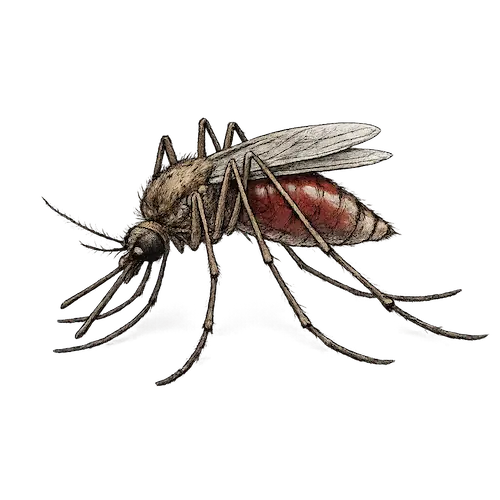
Malaria is a mosquito-borne disease transmitted by the female Anopheles mosquito . In South Africa, malaria risk is largely confined to the northeastern regions of Limpopo and Mpumalanga — including Kruger National Park and surrounding private reserves.
Kruger is classified as a low-risk, seasonal malaria area. Transmission risk is influenced by rainfall, temperature, and mosquito activity. Risk typically increases during the warmer, wetter months from September to May, when standing water creates ideal breeding conditions. During the cooler, dry winter months, mosquito numbers decrease significantly, and the risk becomes much lower.
For most travellers, the likelihood of contracting malaria remains low — especially when simple precautions are taken. Understanding how malaria risk changes throughout the year allows you to plan your safari more confidently and choose the right level of prevention for your trip.
Kruger National Park malaria risk refers to the seasonal presence of malaria-carrying mosquitoes in the region, with higher risk during the warm, wet summer months and lower risk during the dry winter season.
Do You Need Malaria Tablets for Kruger National Park?
Whether or not you need malaria tablets for Kruger National Park depends on several factors, including the time of year you are visiting, your personal health, and professional medical advice. Kruger is classified as a low-risk, seasonal malaria area, which means some travellers choose to take preventative medication, while others rely on careful mosquito bite prevention.
During the wetter summer months, when Kruger National Park malaria risk is higher, many travel clinics recommend taking antimalarial medication as an added precaution. In the cooler winter months, when mosquito activity is significantly reduced, some travellers may decide against medication — but this decision should always be made in consultation with a qualified healthcare professional.
Your travel style can also influence your level of exposure. Longer stays, remote accommodation, and time spent outdoors at sunrise and sunset can increase contact with mosquitoes. You can better understand seasonal conditions by exploring the Kruger National Park weather guide or learning about the best time to visit Kruger National Park.
There is no one-size-fits-all answer. The safest approach is to speak to your doctor or a travel clinic before your safari, especially if you are travelling with children, are pregnant, or have underlying health conditions.
Is Kruger National Park Malaria-Free?
No, Kruger National Park is not malaria-free. The park lies within a region where malaria is present, particularly during the warmer and wetter months of the year. However, it is important to understand that Kruger National Park malaria risk is considered low and seasonal, rather than high-risk.
For most travellers, the likelihood of contracting malaria remains low — especially when visiting during the dry winter season and when basic precautions are followed. Millions of visitors travel to Kruger National Park each year, enjoying safe and well-managed safari experiences.
Compared to many other African safari destinations, Kruger National Park malaria risk is considered relatively low and manageable, particularly when travellers are informed and prepared.
While malaria should always be taken seriously, it should not discourage you from visiting. With the right preparation, awareness, and guidance, a safari in Kruger National Park remains a safe and unforgettable experience.
How to Reduce Mosquito Bites on Safari
The most effective way to reduce Kruger National Park malaria risk is by preventing mosquito bites, especially from dusk to dawn when malaria-carrying mosquitoes are most active. Even if you choose to take antimalarial medication, bite prevention remains an essential part of staying safe on safari.
Wear long-sleeved shirts, long trousers, socks, and closed shoes during the early morning and evening hours. Apply a reliable insect repellent to exposed skin and reapply it as needed throughout the day. Lightweight, breathable safari clothing can help you stay comfortable while keeping your skin covered.
At your accommodation, keep doors and windows closed where possible, make use of insect screens, and sleep under a mosquito net if one is provided. Air conditioning, fans, plug-in repellents, and mosquito coils can also help reduce mosquito activity in and around your room.
For more practical packing advice, read our guides on what to wear on safari and what to bring on safari.
Best Time to Visit Kruger National Park vs Malaria Risk
Kruger National Park malaria risk is closely linked to seasonal weather patterns. Understanding how risk changes throughout the year can help you choose the best time to visit based on both wildlife viewing conditions and your personal comfort.
Dry Season (May to August) – Lowest Malaria Risk
The dry winter months are widely considered the best time to visit Kruger for both exceptional wildlife viewing and reduced malaria risk. Cooler temperatures and minimal rainfall mean fewer mosquitoes, making this period ideal for travellers who prefer to minimise exposure. You can explore detailed monthly conditions in the July weather guide.
Wet Season (September to April) – Higher Malaria Risk
During the warmer summer months, rainfall increases and creates ideal breeding conditions for mosquitoes. This is when Kruger National Park malaria risk is at its highest, particularly between December and March. Despite this, the wet season offers lush landscapes, excellent birding, and outstanding photographic opportunities. Learn more about peak summer conditions in the January weather guide.
If you’re unsure when to travel, the best time to visit Kruger National Park guide breaks down the seasons in detail, helping you balance wildlife sightings, weather conditions, and malaria considerations.
Malaria Symptoms After Visiting Kruger National Park
If you develop flu-like symptoms such as fever, chills, headache, sweating, body aches, nausea, or unusual tiredness after visiting Kruger National Park, it is important to seek medical advice as soon as possible and mention your recent travel to a malaria-risk area.
Kruger National Park malaria risk is generally low, but symptoms can still occur if infection happens. Malaria symptoms may appear within a few days or up to several weeks after exposure, which is why it is important not to ignore illness after your safari, even if your trip has already ended.
Early diagnosis and treatment are highly effective, and most travellers who seek prompt medical care recover quickly. Being aware of the symptoms and acting early is the best way to stay safe.
Should Malaria Stop You from Visiting Kruger National Park?
For most travellers, malaria should not be a reason to avoid visiting Kruger National Park. The park is a well-managed, world-class safari destination that welcomes millions of visitors each year, many of whom travel safely without any issues.
The key is preparation. By understanding Kruger National Park malaria risk, taking simple precautions to avoid mosquito bites, and following medical advice where necessary, visitors can significantly reduce their exposure. Most safari experiences take place in controlled environments — such as guided game drives and well-equipped lodges — which naturally limit risk.
In reality, many travellers find that the experience of exploring Kruger’s wildlife, landscapes, and biodiversity far outweighs the manageable risks. With the right planning, a safari here remains both safe and deeply rewarding.
Planning around Kruger National Park malaria risk allows travellers to enjoy a safe and well-prepared safari experience. If you’re looking for guidance on the best time to visit, what to expect, and how to prepare, explore our Kruger National Park safari packages or get in touch through our contact page to start planning your safari with confidence.
Kruger National Park Malaria FAQs
Is Kruger National Park malaria-free?
No, Kruger National Park is not malaria-free. It is located in a low-risk, seasonal malaria area, with higher risk during the warmer and wetter months.
Do I need malaria tablets for Kruger National Park?
Some travellers take malaria tablets for Kruger, while others focus on mosquito bite prevention. The safest approach is to speak to your doctor or a travel clinic before your safari.
When is malaria risk highest in Kruger?
Malaria risk is usually highest during the warmer, wetter months from September to May, especially after good rainfall when mosquito numbers increase.
When is malaria risk lowest in Kruger?
Risk is generally lowest during the dry winter months from May to August, when temperatures are cooler and mosquito activity is reduced.
Is Kruger safe for children because of malaria?
Many families visit Kruger safely, but children need careful protection from mosquito bites. Parents should speak to a doctor or travel clinic before travelling with children to a malaria-risk area.
Can you get malaria in Kruger during winter?
The risk is much lower in winter, but it is not impossible. Visitors should still use basic mosquito precautions and get medical advice if they develop flu-like symptoms after visiting Kruger.