What to bring on a Safari
Deciding what to bring on a safari can sometimes feel overwhelming, especially if you are travelling far or it’s your first time. You want to stay light and comfortable, but still be prepared for the activities you have planned. In this article, I share my recommendations on what to bring on a safari, based on my experience as a safari guide in Kruger National Park. I cover the essentials for those interested in photography, birding, or simply wanting to be comfortable and fully enjoy the experience.
What to bring on a safari : The essentials
Knowing what to bring on a safari is essential for a smooth and enjoyable experience, and this starts even before arriving. When travelling to South Africa, you will need a valid passport (make sure you have enough blank pages). Check whether you need a visa for South Africa, and if so, apply in advance. It is also a good idea to have travel insurance that covers medical emergencies as well as your equipment.
When packing, it’s important to bring your bank cards, travel cards, and some local currency. While cards are widely accepted, having a small amount of cash in South African Rand is useful for tips, small purchases, or places that may not accept cards. Make sure you also pack your phone, as this helps you keep time and stay in touch with your guide and the rest of your group. An eSIM or local SIM card can be very helpful for staying connected, especially when travelling between destinations.
Don’t forget your charger and an adapter for South Africa. You can buy these locally, but I also carry a few spares, so just let me know if you need one. If you take any medication, make sure you bring enough for the duration of your trip, along with a copy of your prescription if needed. It’s always better to have this with you, especially when travelling internationally.
What to bring on a safari : The Weather
Packing
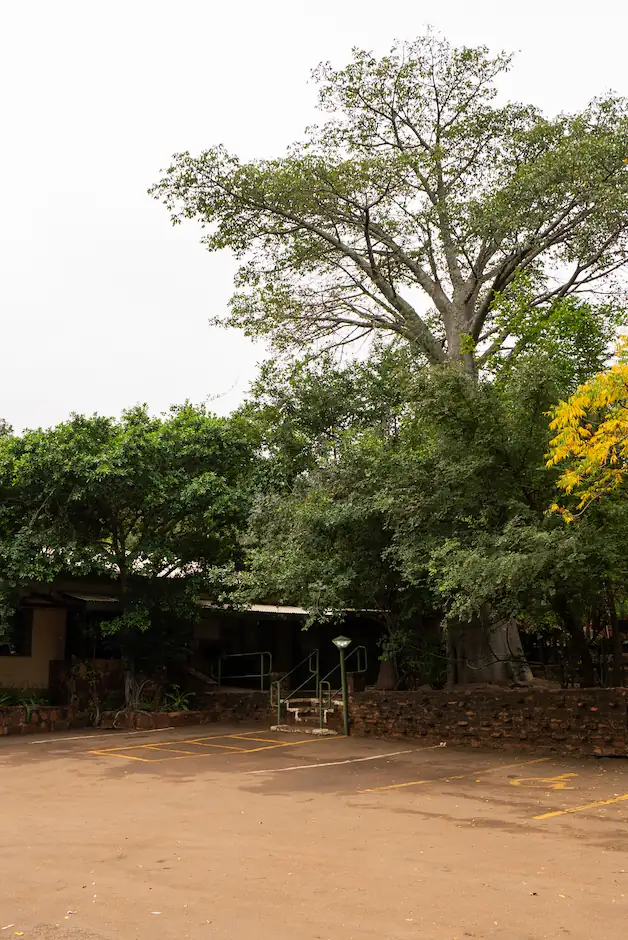
Essentials are key when deciding what to bring on a safari. You want to be prepared for anything, but still stay light and comfortable. Let’s start with the basics: weather. Weather in Kruger National Park can be quite extreme, even if you don’t feel it at the time. Mornings in the dry season can be chilly, while afternoons can be hot. Even if the sun does not feel like it’s burning your skin, it most likely is, as on safari you will be exposed to the sun for long periods.
A good hat and sunscreen are therefore a must, along with a fleece or light jacket for the early morning to keep you warm. In the wet season, you will need a rain jacket or a poncho. I also carry a few ponchos if you did not bring one, just to keep us dry when a rainstorm hits. The worst time to visit Kruger National Park is during the wet season, as the rain can be heavy and persistent, but the sun can also be quite intense, so it's good to be prepared for both.
Clothing
When deciding what to wear on a safari, the general rule of thumb is to stick to neutral colours like khaki, olive, tan, or brown. If you are not planning on doing a walking safari, colourful clothing is generally accepted, but it’s still best not to stand out too much and rather blend in with the vehicle and surroundings. Bright whites and vivid colours can sometimes be picked up more easily by animals.
Lightweight and breathable fabrics are best, especially in the hot summer months. Long sleeves can help protect against sunburn and insect bites, while layers are essential for the cooler mornings, particularly when driving in open safari vehicles. Comfortable closed shoes are ideal for game drives, but we are not walking long distances. If you are comfortable in sandals or flip flops, that is generally accepted as well.
Accessories
It’s good to have a small backpack or daypack to carry your essentials on game drives, such as your camera, binoculars, water bottle, and other items. Most people travel with a phone these days, which is useful for communication and keeping your trip running smoothly. Make sure you bring a charger and an adapter for South Africa. You can buy these locally, and I also carry a few spares, so just let me know if you need one.
A headlamp or flashlight is also very useful, especially in Kruger National Park. There are often small critters moving around at night, and it’s always better to see where you are stepping.
Binoculars are key for a successful safari, and I always recommend bringing your own. The vehicles are open, so it is easy to use them while on a game drive. Its most likely that we will encounter animals at a distance, especially predators and in the dry season, so having them ready is good for your safari.
What to bring on a safari : Cameras Gear
Camera
This section is for those planning to do a little photographic safari and knowing what to bring on a safari in terms of camera gear. Let's start with a good camera backpack if you are bringing lenses and other accessories. A good camera backpack will protect your gear — roads can get bumpy — and make it easier to carry. It also gives you quick access to your camera when that great shot moment arises.
If you are a photographer, I don’t need to tell you about cameras, you already have your setup. Bringing a zoom lens is a good idea, as most animals keep a safe distance from vehicles. A zoom lens will allow for close-up shots without disturbing the animals. A lens in the 200–400mm range is ideal for most wildlife photography. There are also times, especially with predators, where they walk right up to the vehicle. In these moments, a wide-angle lens or a standard zoom can be very useful to capture the full scene.
A small bean bag is also very useful on safari. You can rest your lens on the side of the vehicle for extra stability, especially when using heavier zoom lenses. Camera cleaning gear is important as well. The dry season can be very dusty, and you want to make sure your camera and lenses stay clean to get the best shots.
Extra batteries and memory cards are a must. You don’t want to run out of space or battery when the action starts. A simple rain cover or even a plastic bag can also help protect your gear during unexpected showers.
This section is for those planning to do a little photographic safari and knowing what to bring on a safari in terms of camera gear. Let's start with a good camera backpack if you are bringing lenses and other accessories. A good camera backpack will protect your gear — roads can get bumpy — and make it easier to carry. It also gives you quick access to your camera when that great shot moment arises.
If you are a photographer, I don’t need to tell you about cameras, you already have your setup. Bringing a zoom lens is a good idea, as most animals keep a safe distance from vehicles. A zoom lens will allow for close-up shots without disturbing the animals. A lens in the 200–400mm range is ideal for most wildlife photography. There are also times, especially with predators, where they walk right up to the vehicle. In these moments, a wide-angle lens or a standard zoom can be very useful to capture the full scene.
A small bean bag is also very useful on safari. You can rest your lens on the side of the vehicle for extra stability, especially when using heavier zoom lenses. Camera cleaning gear is important as well. The dry season can be very dusty, and you want to make sure your camera and lenses stay clean to get the best shots.
Extra batteries and memory cards are a must. You don’t want to run out of space or battery when the action starts. A simple rain cover or even a plastic bag can also help protect your gear during unexpected showers.