Worst Time to Visit Kruger National Park
Kruger National Park is a year-round destination, but there are certain times of the year that some travellers consider the “worst” time to visit. In my experience, I enjoy every month in Kruger National Park, each season has its own charm and unique highlights.
That said, depending on what you are hoping to see and experience, some periods may be less ideal than others. In this guide, I’ll explain which times of year are often considered the worst to visit Kruger National Park, and more importantly, why.
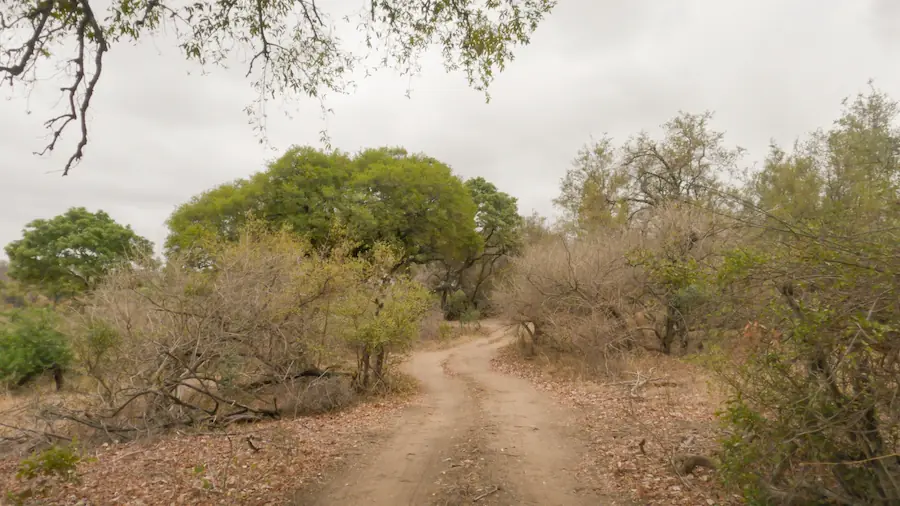
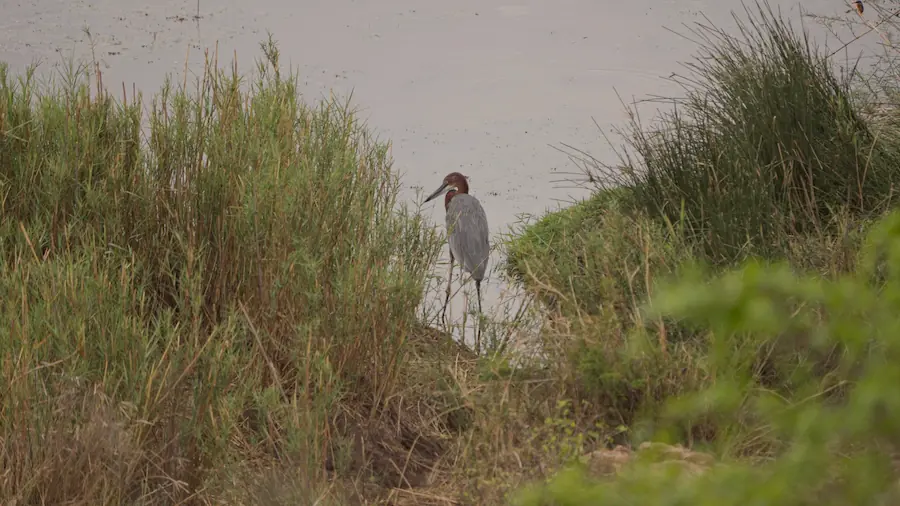
The worst time to visit Kruger National Park
I have visited Kruger National Park for many years, and in my experience, one of the busiest and arguably worst times to visit kruger national park is during the last week of September, particularly from the 22nd to the 26th. I often refer to this as “chaos week.”
I do appreciate the concept, as it provides access to people who may not normally be able to afford a visit to Kruger, while also spreading awareness about wildlife and conservation. However, the park becomes extremely busy and traffic can build up quickly sometimes even before you enter the gates.
Another period that can be very busy is during South Africa’s school holidays. During these times, there is a noticeable influx of visitors, and roads especially in the southern parts of the park can become congested. This increased traffic can affect the overall safari experience, particularly if you are hoping for quieter sightings.
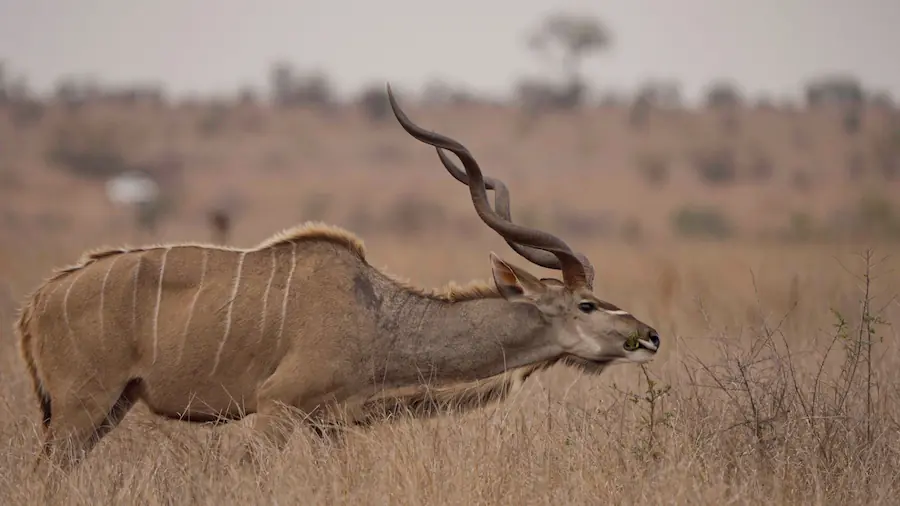
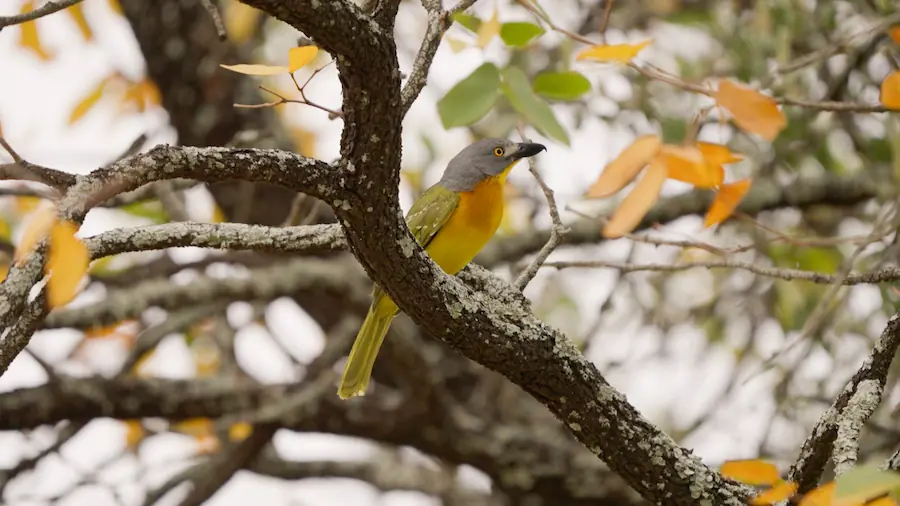
The worst time to visit Kruger National Park for wildlife
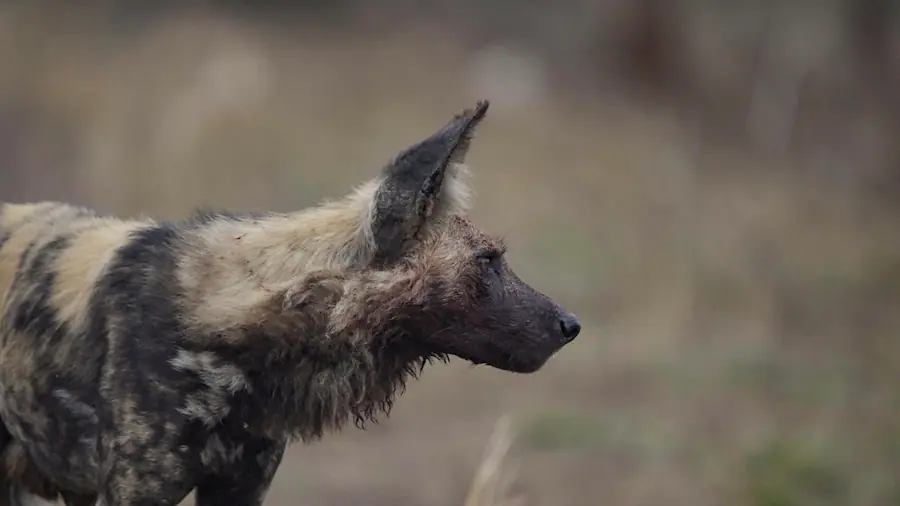
Most people visit Kruger National Park for game viewing, to see the Big Five and perhaps even enjoy the serenity of a large herd of impala. However, the worst time to visit kruger national park is during the peak rainy season and this can affect your chances of seeing wildlife. Animals tend to disperse, and the dense vegetation provides more cover, making sightings more challenging. The best time to visit Kruger National Park for wildlife is generally during the dry season, when visibility is at its best.
During the rainy season, you should also expect occasional heavy downpours. You may find yourself getting drenched, with your guide practically swimming in the front seat while you sit in the back hoping your electronics stay dry. It’s all part of the experience.
That said, these situations often become part of the adventure. Sometimes the best stories come from when things don’t go according to plan. The rainy season also offers immense rewards for those willing to embrace it lush landscapes, vibrant birdlife, and the chance to see many newborn animals. And when the clouds break at sunset, the combination of light and dramatic skies can be absolutely stunning.
Worst time to visit Kruger National Park for bird watching
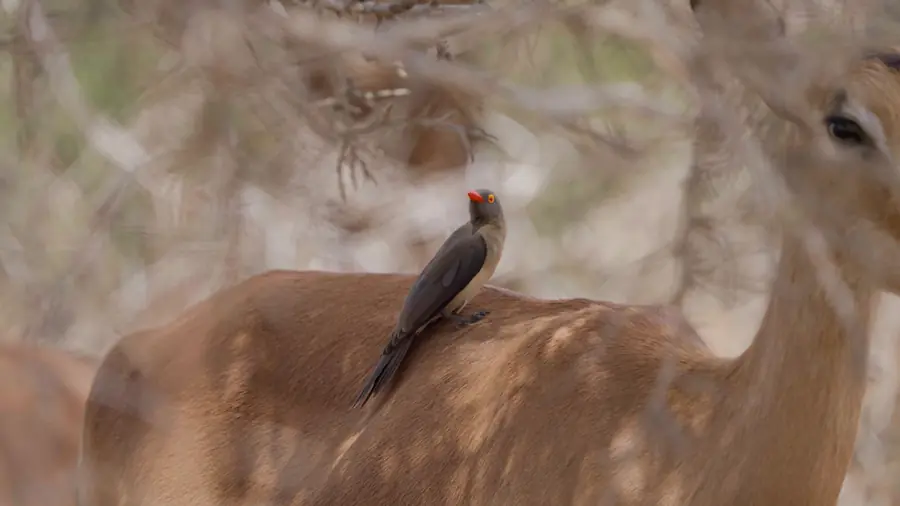
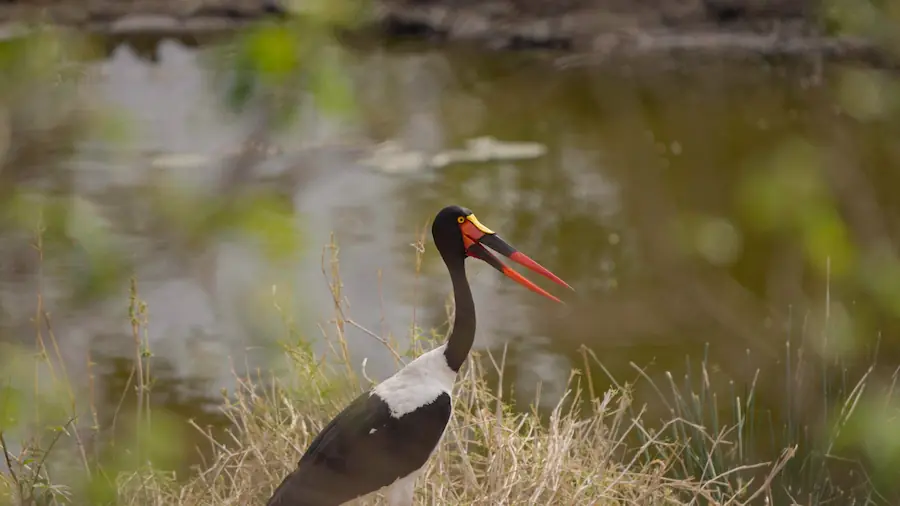
Fortunately, there is no true worst time to visit Kruger National Park for birdwatching. The park is home to over 500 recorded bird species, and many resident birds are present throughout the year, regardless of the season.
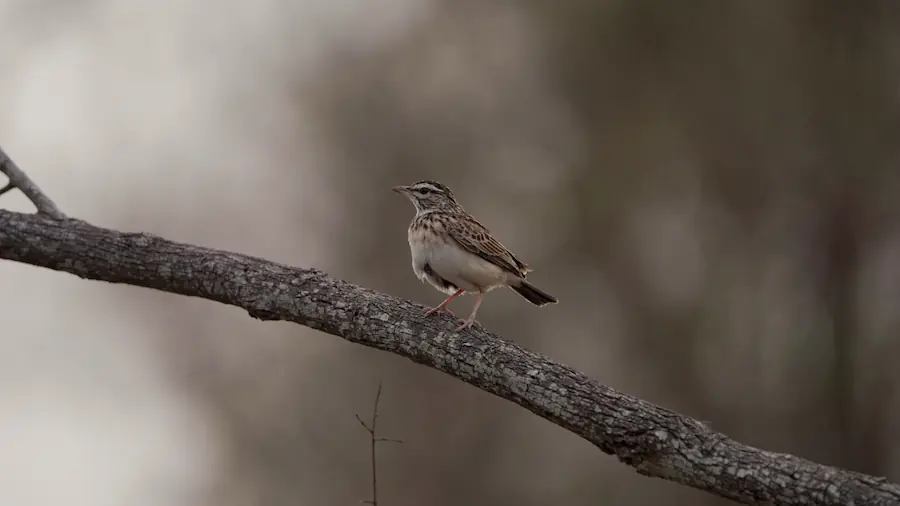
However, during the dry season, particularly in the winter months, birding can be slightly more challenging in certain ways. Birds tend to be less vocal, and many species that change into breeding plumage appear duller and more difficult to identify. The lush vegetation and insect life that often accompany peak bird activity are also largely absent during this period.
On the other hand, sightings can actually be easier, as the lack of dense vegetation improves visibility. With fewer leaves and grasses blocking the view, birds are often easier to spot, even if they are less active.
Dry Season vs Wet Season in Kruger National Park
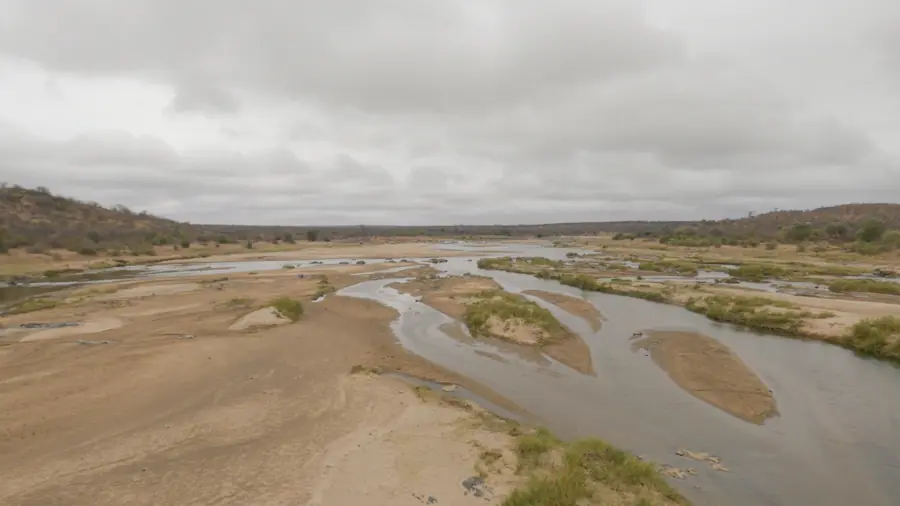
Understanding the difference between the dry and wet season can help explain why some periods are considered the worst time to visit Kruger National Park for certain travellers. The dry season, which generally runs from May to October, is known for its excellent wildlife viewing. Vegetation is sparse, water becomes limited, and animals naturally gather around rivers and waterholes. This makes sightings more predictable, and visibility is at its best.
The wet season, typically from November through March, brings a completely different experience. The rains transform the park into a lush, green landscape, and wildlife becomes more dispersed as water is widely available. Thick vegetation can make it harder to spot animals, which is one of the reasons this period is sometimes seen as the worst time to visit Kruger National Park for dedicated game viewing.
However, the wet season also has its advantages. Birdlife is at its peak, migrant species arrive, and many animals give birth during this time. The scenery is beautiful, and the dramatic summer storms can create unforgettable moments. Ultimately, the dry season is better for consistent wildlife sightings, while the wet season offers a more vibrant and dynamic natural experience.
Conclusion
There is no truly worst time to visit Kruger National Park only times that may not suit your expectations. If you prioritise wildlife viewing, avoid the peak rainy season. If you prefer quieter roads, steer clear of school holidays and late September. But no matter when you visit, Kruger always offers something special.